

By Jeff Breazeale
06.30.26

By Jeff Breazeale
06.30.26
Branding a new residential property can be easy, or it can be right. Ultimately, the choice is yours.
A solid creative agency can be the difference between standing out and blending in, but the work will only ever be as good as the information, collaboration, and direction they receive from your team. It really is a Garbage in, garbage out situation.
After helping brand more than 100 multifamily properties, we’ve learned that the strongest branding projects all have one thing in common: the client has come to the table prepared. Creativity struggles in a vacuum. Better inputs mean a better final product.
The best agencies don’t create compelling brands out of thin air. They uncover insights, identify opportunities, and bring clarity to a vision that’s already beginning to take shape. The more information, alignment, and strategic thinking brought to the table, the stronger the outcome.
So before you kick off your next branding project, here are four ways to set your team—and your creative partners—up for success.
First things first: any major decision-makers need to be involved. Period.
Nothing derails a branding project faster than someone with veto power stepping in after weeks of work and saying, “I just don’t like it.”
Successful branding projects require alignment from the beginning. That doesn’t mean every stakeholder needs to be involved in every meeting, but it does mean the right voices need to be represented throughout the process.
In our experience, the ideal branding team consists of four to six people representing key interests across the project, often including members of the development, investment, leasing, marketing, and operations teams.
Just as importantly, choose people who are willing to contribute.
We all know someone who sits quietly through an entire workshop, nods along, and then shares their concerns in the parking lot afterward. Branding workshops thrive on discussion, debate, and perspective. Select team members who will engage openly and provide meaningful feedback throughout the process.
One additional note: if you’re currently searching for a Marketing Director, strongly consider filling that role before kicking off a branding initiative. Strong marketing leaders often bring a clear vision for how a property should be positioned, marketed, and communicated. Bringing them into the process after key decisions have already been made can create frustration for everyone involved.
This technically belongs in the first section, but it’s important enough to deserve its own.
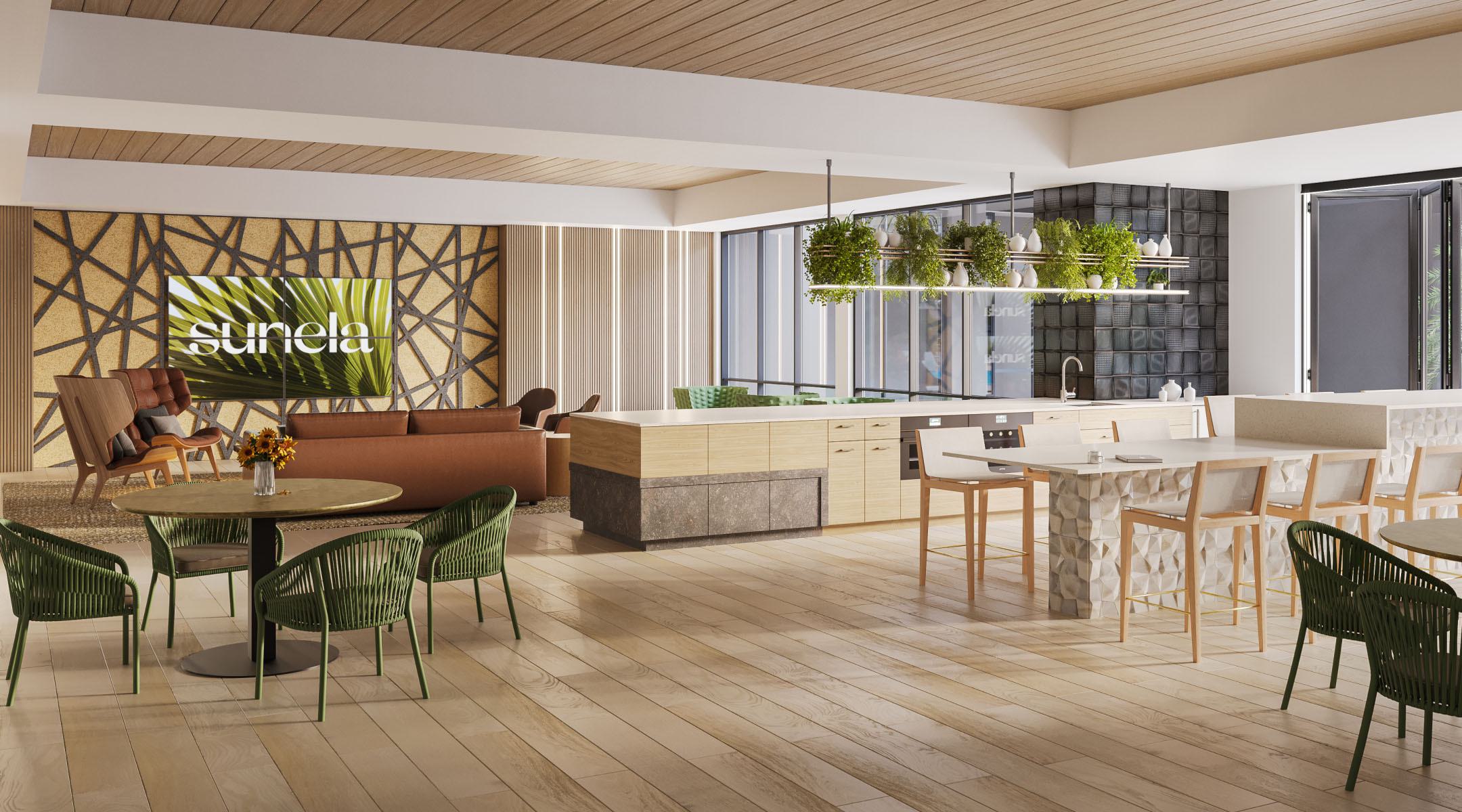
Architects and interior designers are often some of the most valuable contributors to the branding process.
Why?
Because they speak our language.
While development teams may struggle to articulate a desired vibe, emotional experience, or aesthetic direction, architects and designers often have no trouble painting a vivid picture of the atmosphere they’re trying to create.
That’s exactly the kind of information a brand team needs.
At its best, multifamily branding is about translating a physical experience into a compelling story. The more we understand the inspiration behind the architecture, materials, finishes, and design philosophy, the more cohesive the final brand becomes.
When branding, architecture, interiors, landscape, and leasing teams are aligned around a shared vision, every aspect of the resident experience becomes stronger.
Sometimes we’re brought into a project before architectural and interior design concepts have been developed. While this approach presents its own challenges, it can also create an opportunity for all disciplines to gain alignment early. Strategic workshops can help establish a common vision that influences everything from architecture and interiors to naming, messaging, and marketing.
The strongest projects rarely happen in silos.
They happen when disciplines collaborate.
One of the biggest mistakes clients make is assuming the agency already knows everything they know.
We don’t.
And that’s okay.
You’ve likely spent months, or even years, evaluating the site, researching competitors, studying demographics, understanding local demand drivers, and building financial models. All of that knowledge is incredibly valuable.
Bring it to the table.
The best brands don’t just look good, they connect with the right audience and tell the right story. To do that effectively, your creative team needs access to the same market intelligence that’s informing your broader development strategy.
Be prepared to share:
Demographic research
Competitive property analysis
Market studies
Leasing insights
Location advantages
Resident profiles
Existing marketing materials
Property management teams can be especially valuable here. They often understand not only who their residents are, but why they chose a property, what they value most, and what motivates their decisions.
Those psychographic insights are often far more valuable than basic demographic information.
Additionally, if your organization has an established design philosophy, portfolio strategy, or specific likes and dislikes, communicate those early.
There’s absolutely nothing wrong with wanting cohesion across your portfolio.
There is something wrong with revealing that expectation after three rounds of creative work.
The more transparent everyone is from the beginning, the better.
This advice applies to almost any project, but it’s particularly important in multifamily branding where so many stakeholders are involved.
Before the project begins, everyone should understand:
What we’re trying to accomplish
Why we’re doing it
What budget we’re working within
Who is responsible for providing feedback and approvals
One of the first questions every team should answer is:
What does success actually look like?
Different goals often lead to very different branding solutions.
It’s also important to recognize that not every developer and not every creative agency define branding the same way.
For some, branding means a logo and website.
For others, it includes strategy, naming, messaging, signage, wayfinding, leasing collateral, environmental graphics, social media, and launch campaigns.
Neither approach is right or wrong, but everyone needs to be aligned on expectations before the work begins.
Finally, establish a clear point of contact on both sides.
The client-side contact should be responsible for gathering feedback, building consensus internally, and providing consolidated direction back to the agency.
Nothing slows momentum faster than conflicting feedback from multiple stakeholders.
The clearer the communication channels, the smoother the process.

The best branding projects aren’t the result of a brilliant agency working in isolation.
They’re the result of strong collaboration between developers, operators, architects, interior designers, leasing teams, and creative partners all working toward a common goal.
When the right people are involved, the right information is shared, and expectations are aligned from the beginning, branding becomes dramatically more effective.
Names become stronger.
Stories become more compelling.
Marketing becomes more focused.
And ultimately, properties stand out in a crowded market.
Because great branding isn’t something that happens to a project.
It’s something that’s built into it from the very beginning.